Family Day: Bringing People, Families And Workplace Culture Together
A company is more than a workplace.
Behind every employee is a family, a personal story, and a life beyond the office. A well-designed Family Day creates a space where those different worlds can come together in a relaxed, meaningful and enjoyable way.
At Phoenix Destinations, Family Day is designed as more than a company gathering. It is an experience that brings employees and their families together through shared activities, creative moments, entertainment and celebration.
The result is a day that feels both personal and connected to the organization.
What Is A Corporate Family Day?
A corporate Family Day is an event where employees are invited to spend time with their families in a setting created specifically for connection, recreation and shared experience.
The format can vary widely.
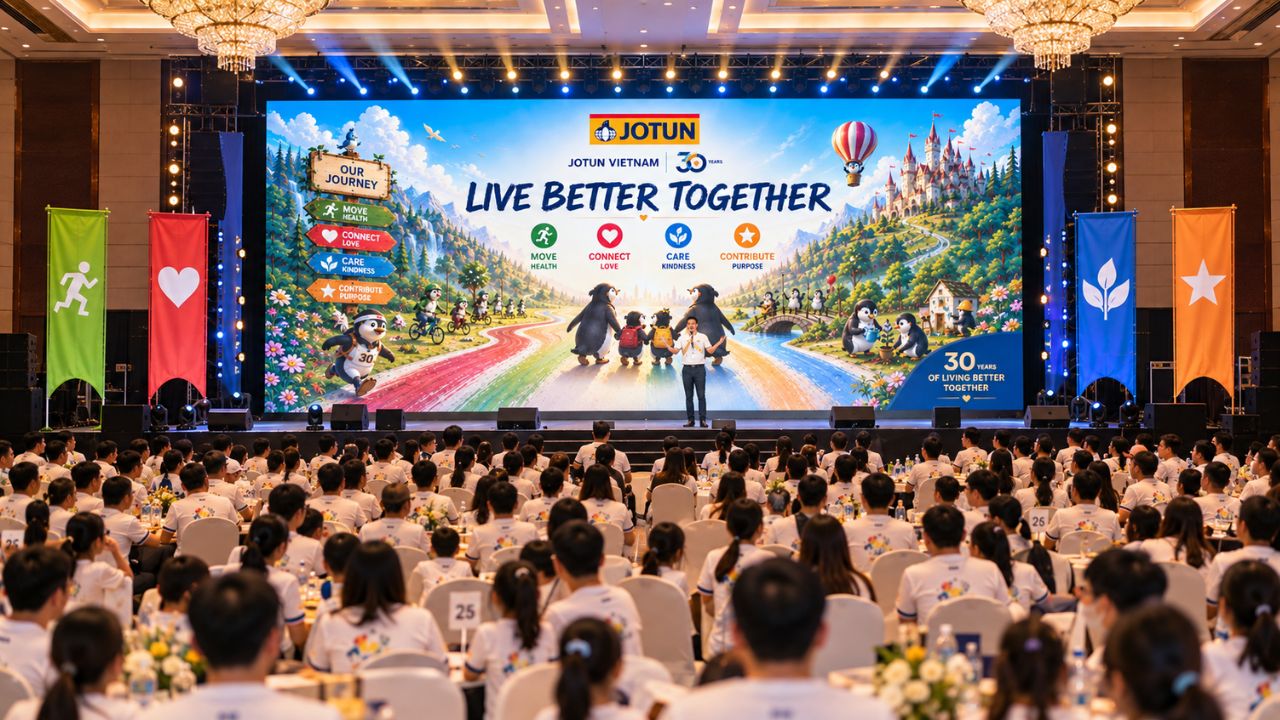
Some companies prefer an outdoor festival with games, activity zones and food stations. Others choose a hotel ballroom, resort, park or company campus. A Family Day can also combine afternoon activities with an evening Gala Dinner, awards ceremony or anniversary celebration.
What matters most is creating an environment where different generations can participate comfortably.
Children need activities that feel playful.
Adults need opportunities to relax and connect.
Employees need moments that allow them to enjoy the event without feeling that it is simply another work function.
The best Family Day experiences balance all three.
Activities For Different Ages And Interests
One of the biggest challenges in Family Day design is creating enough variety.
Not every guest wants to join a physical game. Not every child is interested in the same activity. Some families prefer creative experiences, while others enjoy friendly competition.
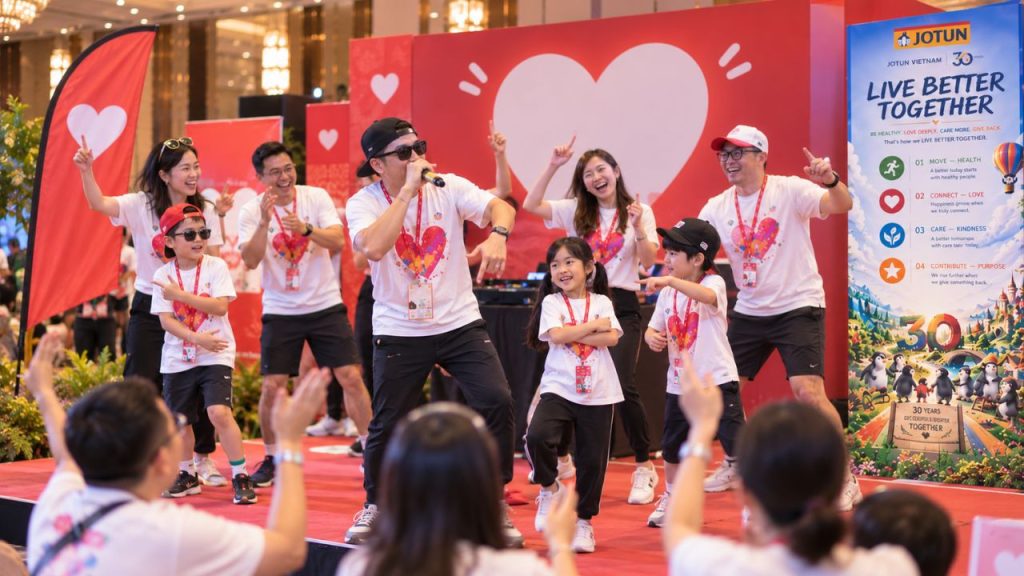
That is why Phoenix Destinations often designs Family Day programs using different activity zones.
These may include movement games, family challenges, creative workshops, arts and crafts, interactive technology, photo activities, music, simple sports, food experiences and team-based missions.
For younger children, activities can include painting, sand art, figurine decoration or simple craft stations.
For families who enjoy action, there can be relay challenges, coordination games or playful competitions.
For guests who prefer quieter experiences, creative corners, photo zones and hands-on workshops can provide a more relaxed option.
The objective is not to keep everyone busy every minute.
It is to give families choices.
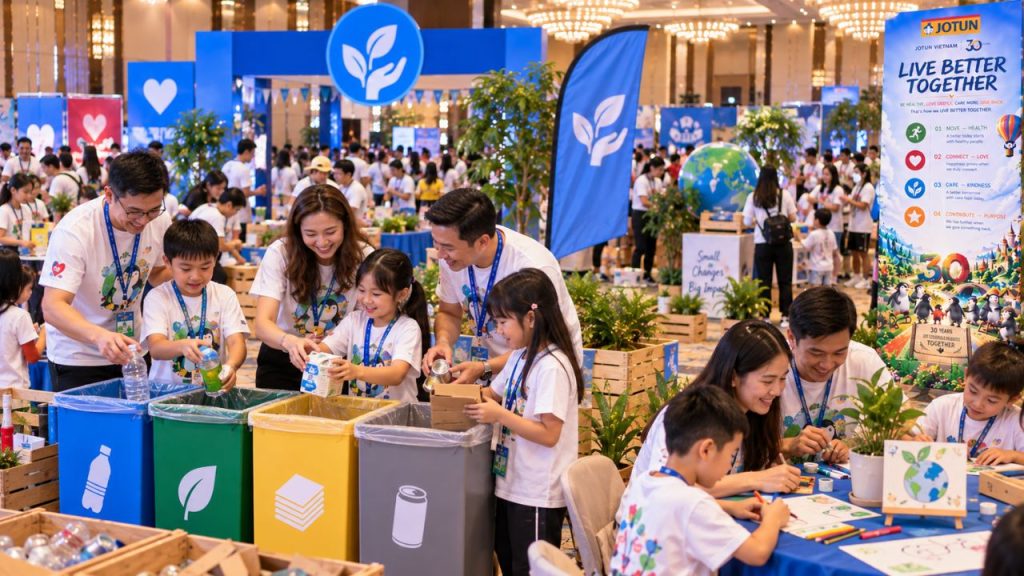
Creating Shared Family Moments
The most valuable part of a Family Day is often not the activity itself.
It is the interaction around it.
A parent helps a child complete a challenge.
A family creates something together and takes it home.
Colleagues meet each other’s spouses and children.
Employees from different departments talk in a setting that feels less formal than the workplace.
These small moments can make the event feel more genuine.
Family Day also gives employees an opportunity to introduce their families to the company environment in a positive way.
For organizations, that can help create a stronger sense of belonging and connection.
More Than Games
A strong Family Day program should have a clear flow.
Arrival and welcome set the tone.
Activity zones provide energy and variety.
Food and refreshment areas give people time to slow down.
Entertainment creates shared attention.
And a closing moment helps bring the whole experience together.
Depending on the event, the program may include a stage show, family performances, lucky draws, recognition moments or a Gala Dinner.
For larger events, these elements become especially important because they help create rhythm throughout the day.
Without a clear flow, even a well-funded event can feel fragmented.
Family Day As Part Of Company Culture
Family Day can also reflect the values of the organization.
A company focused on wellbeing may include activities around movement, healthy living and balance.
An organization with a strong sustainability agenda may add recycling workshops, planting activities or CSR experiences.
A company celebrating an anniversary may use the event to recognize its history and the people who have contributed to it.
Others may focus on connection, creativity, community or appreciation.
The strongest programs are not built around activities alone.
They are built around a central idea.
That idea helps connect the games, visual design, stage program and overall experience.
Designed Around The People
There is no standard Family Day format that works for every company.
A group of 200 people requires a different approach from an event with more than 1,000 guests.
Venue, age profile, timing, weather, food service, stage programming and guest flow all need to be considered carefully.
Phoenix Destinations approaches Family Day as an event experience rather than a collection of separate activities.
We look at how families arrive, where they move, what they can choose, how long they stay in each area and how the event gradually builds toward its final moment.
This creates a smoother experience for both guests and organizers.
A Day People Can Remember Together
Family Day is one of the few corporate events where employees, children, partners and colleagues all share the same space.
That creates something different from a conference, team building program or company party.
It creates a more human connection.
A successful Family Day does not need to be complicated.
It needs thoughtful planning, the right mix of activities and enough space for people to enjoy being together.
Because sometimes the most meaningful company experiences happen when work feels a little less like work, and people simply have the chance to connect.
Phoenix Destinations designs Family Day experiences that bring employees, families and company culture together through activity, creativity and shared moments.