
Team Building Activities for Conferences: 12 Short Ideas
Team building activities for conferences have one job: re-energize a room of people who have been sitting and listening. The right activity fits into a coffee break or a single session slot, needs no preparation and gets everyone talking to someone new. Here are twelve short formats, grouped by how much time you have.
Why add team building to a conference
- Energy: attention drops after lunch and on day two. Movement and laughter bring it back.
- Networking: mixed teams connect people across departments, regions or companies.
- Learning: a hands-on activity can reinforce a keynote theme, such as innovation or customer focus.
- Memory: attendees remember the shared moment long after the slides.
Conference activities in 30 minutes or less
- Rainbow Tube Orchestra: colorful tuned tubes turn the whole audience into one orchestra, without leaving their seats.
- Singing Spirit Session: a guided group singing session that lifts the room before a keynote.
- Online Song Circle: for hybrid events, remote attendees sing together and receive a mixed track.
Team building activities for conferences in about an hour
- Pharaoh’s Tabletop Secret (1 hour): a puzzle that rises from each table, ideal for banquet rounds.
- Blues Harp Jam (1 hour): everyone learns the harmonica and plays as one big band.
- Faces of the Brand (1 hour): a closing reveal made from attendees’ photos.
90-minute breakout activities
- Samba Rhythm Circle: the whole group becomes one samba band.
- Turbo Assembly Line: teams compete to build faster and better, then share what worked.
- Pitch & Invest Showdown: teams invent a product, pitch it and invest in the best ideas.
- Mars Habitat Mission: design a home on Mars where people can live and work together.
- Starship Crime Scene: search the evidence and solve the crime as a team.
- Festive Gift Drive: a year-end activity where teams win gifts for families in need.
How to fit an activity into the agenda
- Opening session: a short music energizer sets the tone.
- After lunch: a 60 to 90 minute challenge beats a post-lunch keynote.
- Day two morning: a puzzle or build activity restarts the room.
- Closing: a reveal or shared result sends people home on a high.
Practical tips
- Use the room you already have. Many formats run in a ballroom with rounds of eight or ten.
- Mix tables before you start. A simple seating change doubles the networking value.
- Check sound and setup time with the venue, especially for music formats.
- Link it to your theme. A two-minute introduction from a leader explains why it matters.
See all short formats in Energizers & Icebreakers, or read how we plan meetings and conferences end to end.
Frequently asked questions
How long should a team building activity at a conference be?
For a conference, 30 to 90 minutes is usually right. A 30-minute energizer fits the opening session or the slot after lunch without changing the agenda. A 60 to 90 minute activity can replace a breakout session. Longer formats of two to three hours work better on a separate afternoon or as part of an offsite day.
Can conference activities run in the main ballroom?
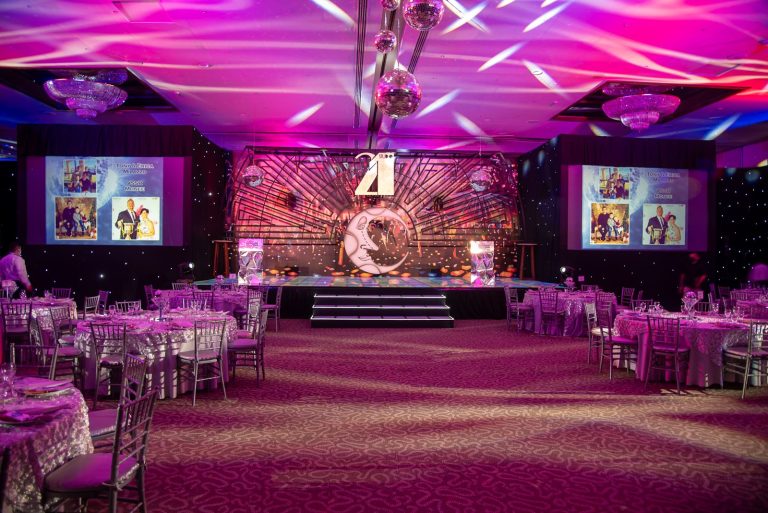
Yes. Many formats are designed for banquet rounds of eight to ten people, so attendees stay at their tables. Music energizers and tabletop puzzles work well this way. Build and race activities need more floor space, so they suit a second room, a pre-function area or an outdoor lawn.
What is the difference between an icebreaker and a team building activity?
An icebreaker is short and light: it helps people meet, relax and start talking. A team building activity is longer and gives teams a shared goal, such as building, solving or creating something together, followed by a short debrief. At a conference, you can use both: an icebreaker on day one and a team challenge on day two.
Do conference activities work for hybrid events?
Some do. Online formats such as a virtual song circle let remote attendees take part at the same time as the room. For a hybrid event, plan a separate host for the online group and test the stream and sound before the session.
How many people can take part at once?
The activities in this guide run for groups of 10 to 500. For very large groups, several facilitators run the session in parallel, and scores or results are brought together at the end.
Add an activity to your conference
Tell us your agenda, room setup and group size. We will suggest formats that fit the time you have.